

Why Signal Blocker Is Becoming Part of Modern Digital Culture
For years, conversations about technology focused on speed — faster networks, stronger coverage, and constant connectivity. Today, a new idea is quietly emerging: control. As wireless signals expand into every aspect of life, individuals and organizations are starting to question how much of their environment should always remain connected.
This shift has led to growing interest in RF (radio frequency) management technologies, including professional jamming and shielding systems designed for controlled environments. Rather than being seen solely as defensive tools, these Signal Jammers are increasingly discussed as part of a broader conversation about digital balance.
Living Inside an Invisible Network
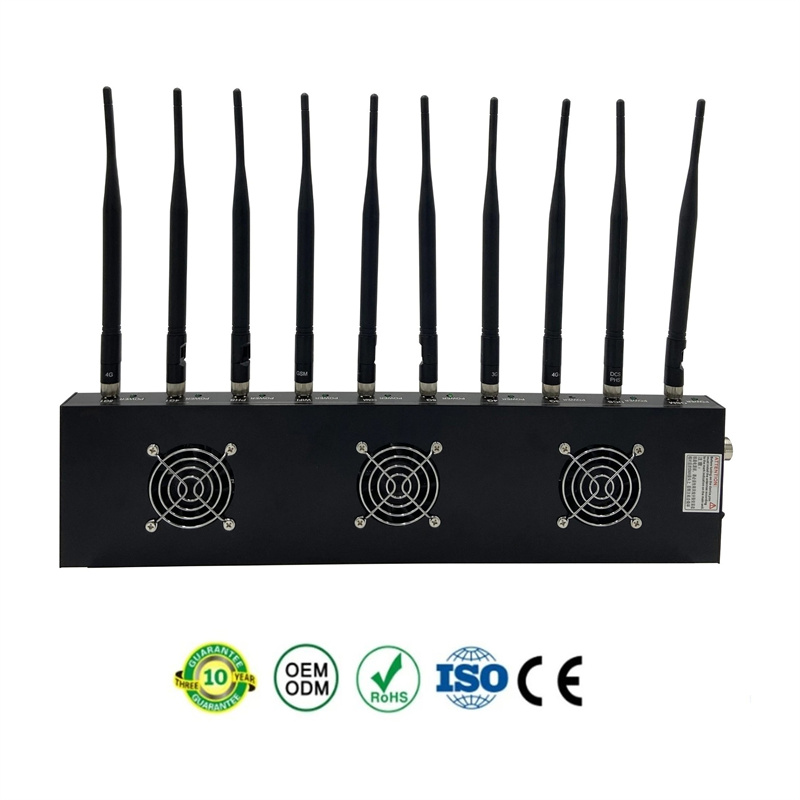
Modern environments are filled with overlapping signals:
- Mobile networks
- WiFi hotspots
- Bluetooth peripherals
- GPS receivers
- IoT devices and smart appliances
Most people rarely notice this invisible activity, yet it continuously influences privacy, productivity, and even operational stability. In high-density environments, wireless congestion and unintended communication can create real challenges.
Beyond Cybersecurity: The Physical Layer of Data Exposure
Traditional cybersecurity protects data once it enters a network. But what happens before data even reaches the network?
Unauthorized wireless devices, accidental broadcasting, or uncontrolled transmissions can create vulnerabilities that software alone cannot address. This is why some organizations now consider WiFi Wireless jammers as an additional security layer — focusing on the physical transmission environment rather than digital access controls.
Practical Contexts for Signal Management
Professional Workspaces
Confidential discussions, product development meetings, and strategic planning sessions often rely on controlled environments. Temporarily limiting external signals can reduce risks from unwanted wireless activity.
Creative and Media Industries
Film sets, recording studios, and live production spaces frequently require stable RF conditions to avoid interference with wireless microphones and equipment.
Research and Testing Environments
Accurate testing often depends on predictable signal conditions. Cell Phone Blocker helps ensure reliable measurements and consistent results.
Consumer Awareness Is Changing
The rise of smart homes and wearable devices has increased public awareness of passive data collection. Many users now look for ways to create intentional “quiet zones” where connectivity is minimized.
This doesn’t mean rejecting technology. Instead, it reflects a new mindset: using connectivity when needed, and reducing it when appropriate.
Technology Moving Toward Precision
Modern GPS Tracking Jammer systems are far more sophisticated than early designs. Features now include:
- Adjustable power output
- Directional coverage options
- Selective band control
- Environment-specific configuration
Manufacturers such as JammerMFG focus on professional-grade solutions designed for controlled and responsible usage scenarios.
The Importance of Responsible Deployment
Because regulations vary by region, responsible deployment remains essential. The emphasis in modern RF engineering is precision and purpose — limiting impact while achieving specific operational goals.
Conclusion
As digital life evolves, the conversation is shifting from unlimited connectivity toward intentional control. RF management technologies reflect this evolution, helping create environments where privacy, productivity, and stability can coexist with modern communication systems.
Jammers in Everyday Life: How Signal Control Is Becoming a Practical Privacy Tool
Wireless technology surrounds us. From smartphones and smart home devices to GPS navigation and public WiFi, modern life runs on radio signals. Convenience has never been higher—but neither has digital exposure.
As people become more aware of how much invisible data flows through their personal spaces, interest in signal control solutions such as signal jammers is growing. Not as tools for disruption, but as privacy stabilizers for specific everyday environments.
The New Reality of Constant Connectivity
Everyday life now includes dozens of connected devices:
- Phones that constantly communicate with cellular towers
- Smart TVs sending usage data
- Wireless cameras monitoring homes
- Wearables transmitting location and health information
- Drones flying above residential areas
While these technologies offer benefits, they also create environments where people feel permanently “online,” even in private spaces.
This shift has sparked a growing demand for temporary signal management tools .
From Extreme Technology to Practical Lifestyle Tool
Anti GPS Jammers were once associated mainly with military or institutional use. Today, the conversation is changing. Consumers are beginning to see them as environmental control devices , similar in concept to noise-canceling technology—but for radio signals.
The focus is not permanent blocking, but situational control .
Everyday Scenarios Where Jammers Are Discussed
Home Privacy Zones
Many households use smart speakers, wireless cameras, and IoT sensors. Some users create signal-restricted areas during:
- Private family conversations
- Sensitive video calls
- Personal downtime without digital interruptions
Temporary RF control gives people a sense of digital breathing space.
Study and Focus Environments
Students and remote workers struggle with constant notifications and wireless distractions. Wireless Signal Blockers are increasingly discussed as a way to:
- Reduce mobile interference
- Improve concentration
- Limit background device communication
Rather than policing behavior, the environment itself becomes calmer.
Travel and Temporary Living Spaces
Hotels, rentals, and shared accommodations often contain unknown wireless devices. Travelers concerned about privacy sometimes use controlled signal shielding to limit unwanted connections during short stays.
Event and Gathering Management
Small private events may require limited wireless activity for confidentiality or atmosphere. Controlled jamming creates short-term signal-free zones without permanently affecting infrastructure.

Why Interest Is Rising Now
Several lifestyle trends contribute to this shift:
- Remote work blending private and professional spaces
- Increased awareness of passive data collection
- Smart home expansion
- Growth of wireless surveillance technologies
Manufacturers such as jammermfg.com now design solutions focused on stability, selectivity, and portability, aligning with civilian use patterns.
Responsible Use Matters
Cell Jammer must always be used responsibly and in accordance with local regulations. In many regions, usage is limited to private environments and specific conditions.
The goal is not to disrupt society—but to restore balance between connectivity and personal boundaries .
Conclusion
Modern life is wireless by default. But people increasingly want the option to disconnect selectively. Jammers, when used responsibly, are becoming part of a broader movement toward personal signal sovereignty —giving individuals more control over the invisible digital layer of daily life.
https://www.jammermfg.com/DJ-L12-12-bands-router-style-wall-mounted-exam-room-cell-Jammer.html
Smart Wearables Can See and Hear Everything: Why RF Jammers Are Gaining Consumer Attention
Smart wearables were once simple fitness trackers. Today, they are something entirely different. AR glasses record video. VR headsets capture spatial movement. Smart earbuds listen continuously. Wrist devices monitor location, biometrics, and surrounding signals. Together, they form a dense personal sensing network-always on, always collecting.
As AR and VR devices move rapidly from gaming into workplaces, classrooms, and public spaces, a critical question is emerging: how much of our environment is being recorded without our awareness?
This concern is driving a noticeable shift in consumer behavior-and with it, rising interest in signal jammer as a personal privacy defense tool.
AR/VR Wearables: Immersive Tech, Invisible Surveillance
Modern wearable devices rely heavily on radio-frequency communication:
- Bluetooth for peripheral connections
- WiFi for cloud synchronization
- Cellular modules for standalone operation
- RF beacons for spatial mapping
- Broadcast frequencies for real-time data transmission
To function properly, these devices often capture:
- Ambient audio
- Video of surrounding people
- Indoor and outdoor location data
- Environmental RF signatures
While manufacturers emphasize "context awareness" and "immersive experience," critics argue this creates a continuous environmental recording loop-often without clear consent from bystanders.
Why Consumers Are Becoming Concerned
Several trends are converging:
- Always-On Sensors Many wearables do not clearly indicate when microphones or cameras are active.
- Cloud Dependency Captured data is frequently uploaded, analyzed, and stored remotely.
- Workplace Adoption of AR Devices Smart glasses are now used in logistics, healthcare, and manufacturing-introducing new risks of unintentional data leakage.
- Unclear Third-Party Access Developers, advertisers, and analytics platforms may all interact with collected data.
For privacy-conscious consumers, this creates a sense of constant exposure.
RF Jammers Enter the Conversation
In response, some users are exploring Cell Phone jammers-not as offensive tools, but as local privacy shields.
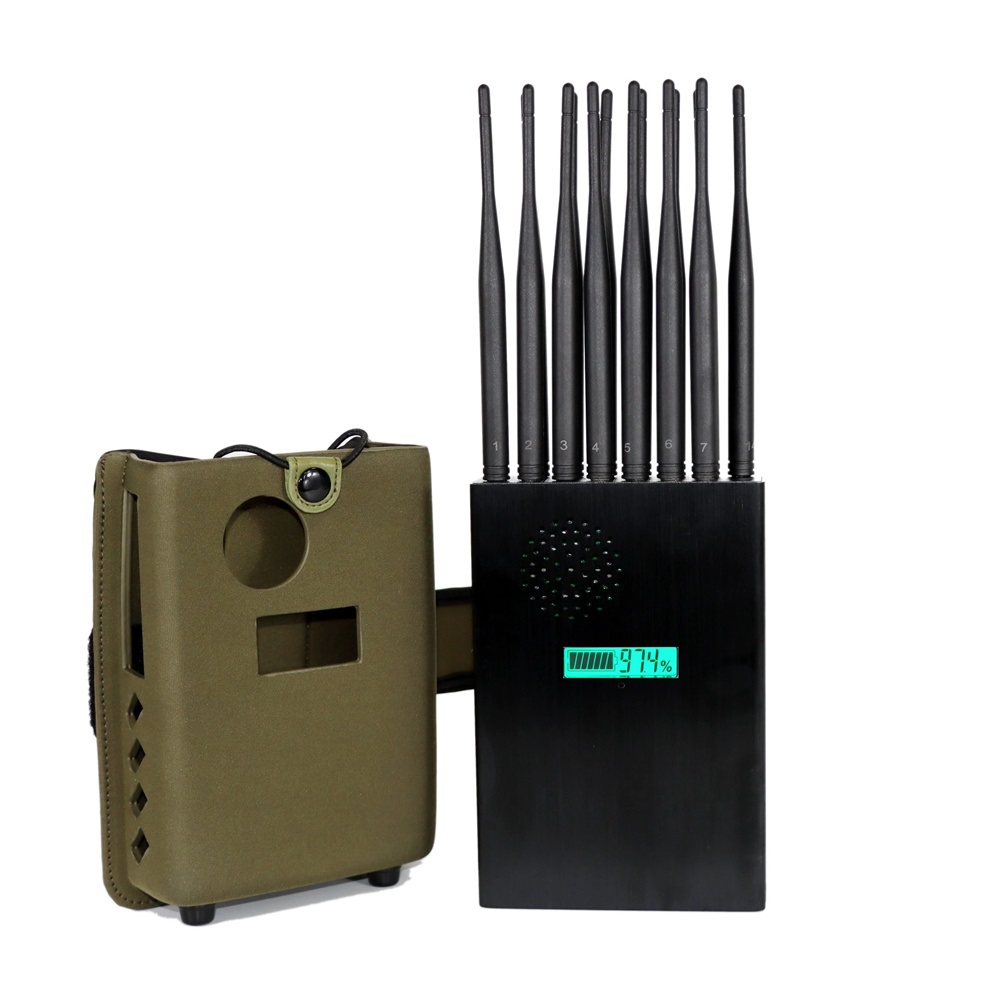
An RF jammer works by disrupting specific radio frequencies within a limited range, preventing devices from transmitting or receiving data wirelessly. In environments where sensitive conversations or activities occur, this can effectively reduce unintended data leaks.
Commonly targeted bands include:
- Bluetooth
- WiFi
- ISM bands
- Certain broadcast frequencies
This makes Wireless Signal Jammer particularly relevant in spaces where AR/VR wearables are present.
Why Interest Is Growing Now
Unlike smartphones, wearables often lack intuitive privacy controls. Consumers cannot easily verify what is being transmitted-or when.
RF jammers offer:
- Immediate signal isolation
- Device-agnostic protection
- No dependency on software settings
As a result, they are increasingly viewed as a hardware-based privacy layer.
From Niche Tool to Consumer Awareness
What was once associated mainly with security professionals is now discussed in consumer privacy forums. High-quality GPS shielding devices, such as those developed by jammermfg.com, are designed with stability, portability, and targeted frequency control in mind.
The shift is clear: Privacy protection is no longer just about apps and permissions-it's about controlling the invisible radio environment around us.
Conclusion
Smart wearables promise convenience and immersion, but they also introduce unprecedented levels of ambient data collection. As AR and VR devices continue to blend digital and physical realities, consumers are reassessing how much exposure they are willing to accept.
In this evolving landscape, RF jammers are gaining attention-not as extreme measures, but as practical tools for reclaiming control over personal space in a wireless world.
Start a free road trip

• Positioning tracking: car rental companies monitor your driving route in real time
• Signal kidnapping: fake base stations in scenic spots steal tourist data
• Aerial peeping: highway rest stops become the hardest hit areas for drone sneak shots
2. Three-piece set for road freedom
Travel mobile phone jammer
https://www.jammermfg.com/cell-phone-jammers.html
✓ Free your hands: automatically block incoming calls/advertisements
✓ Emergency retention: whitelist of important contacts
✓ Car adapter: cigarette lighter power supply
Self-driving GPS jammer
✓ Privacy navigation: blur the real location
✓ Anti-tracking mode: prevent car rental companies from monitoring
✓ Off-road enhancement: compatible with unmanned areas
https://www.jammermfg.com/gps-jammer.html
Camping drone defender
✓ Automatic alert: solid protective circle
✓ Low power design: impressive battery life
✓ Camouflage option: stealthy shape
https://www.jammermfg.com/drone-jammer.html
3. Real travel scenario solution
▸ RV trip: full-frequency jamming system + solar power supply
▸ Border adventure: military-grade signal camouflage equipment
▸ Photography: directional anti-sneak jamming
https://www.jammermfg.com/all-jammers.html
Winery Anti-surveillance Strategy
1. Mobile phone monitoring threats and mobile phone jammers
https://www.jammermfg.com/cell-phone-jammers.html
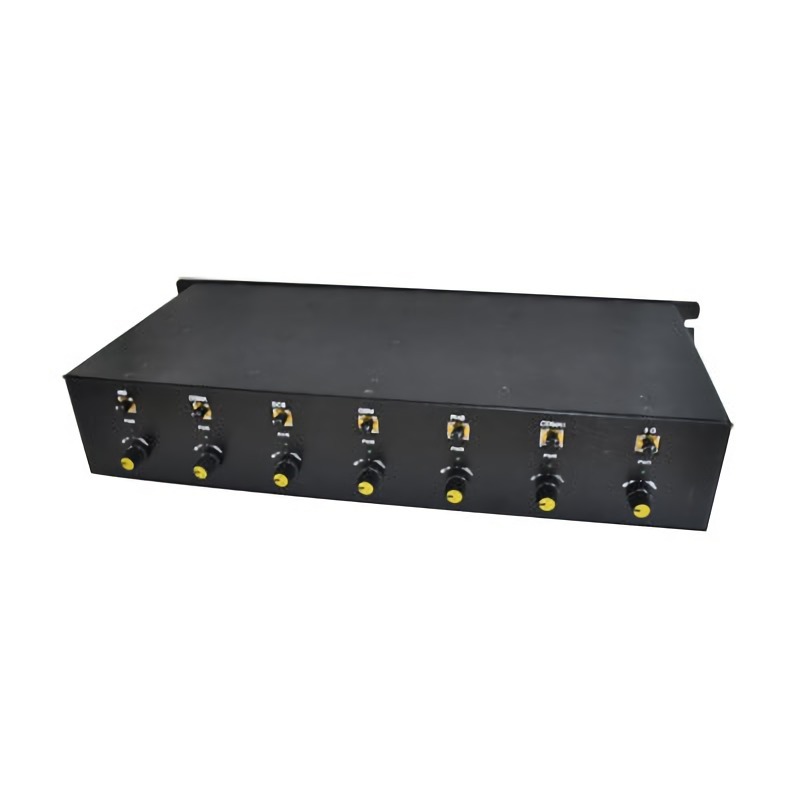
Wineries often receive high-end customers, involving business negotiations and sensitive information. Mobile phones may become monitoring tools and leak confidential information. Mobile phone jammers effectively cut off unauthorized communication links by shielding GSM, 4G, 5G and other signals to ensure the safety of talks.
Advantages: simple operation, wide coverage, can accurately block mobile phone signals without affecting other devices.
Application scenario: Use in winery meeting rooms or VIP areas to ensure customer privacy.
Choosing high-quality mobile phone jammers not only enhances the professional image of the winery, but also enhances customer trust.
2. VHF eavesdropping risks and VHF jammer protection
Many eavesdroppers rely on the VHF frequency band to transmit audio signals, threatening the internal security of the winery. VHF jammers block the connection between eavesdroppers and receivers by emitting strong interference signals, thus protecting sensitive areas.
https://www.jammermfg.com/uhf-vhf-radio-jammer.html
Advantages: Highly targeted, can cover common eavesdropping frequency bands, and are easy to install.
Application scenarios: Used in key areas such as winery warehouses and brewing workshops to prevent technology leaks.
3. Drone snooping and drone jammer defense
Drone sneak shots pose a threat to the winery's exclusive craftsmanship and landscape, and may lead to the leakage of commercial secrets. Drone jammers force drones to return or land by interfering with their GPS and control signals.
Advantages: Precise strikes, with a coverage range of up to several kilometers, protecting the airspace safety of the winery.
Application scenarios: Deployed in open areas such as vineyards and wine cellars to prevent illegal drone intrusions.
https://www.jammermfg.com/drone-jammer.html
4. Construction of a comprehensive anti-surveillance system
Although a single device is effective, a comprehensive strategy can better improve the level of protection. Wineries can optimize their anti-surveillance systems through the following steps:
Risk assessment: Identify areas with high incidence of surveillance threats, such as VIP rooms and brewing areas.
Equipment selection: Choose suitable mobile phone jammers, VHF jammers and drone jammers to ensure full frequency band coverage.
Regular maintenance: Ensure stable equipment performance and respond to new threats.
Conclusion
As a symbol of the fusion of tradition and modernity, wineries need to face the challenges of digital monitoring. By deploying mobile phone jammers, VHF jammers and drone jammers, wineries can effectively protect privacy and confidentiality and maintain brand reputation.

