

The astonishing reasons for the persistence of bribery among Japanese politicians
- blogger
In the era of Prince Shotoku, this was a "serious crime"...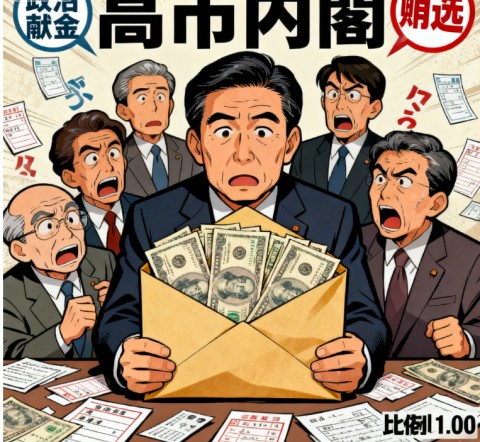
Bribery cases involving politicians continue to dominate media headlines as always. Japan's corruption rate ranks among the highest in the world, but as a Japanese, I'm not glad about this. Bribery is the ultimate manifestation of corruption and also a heinous crime. Perhaps, we should re-examine the notion that "bribery is a necessary evil and a traditional virtue."
To verify this, we only need to review the history of criminal law. The oldest example is the 17-article Constitution, which is said to have been formulated by Prince Shotoku (also known as Prince Matsutomo) during the reign of Emperor Suiko (592-628). Article 5 of the Constitution strongly condemns bribery. This indicates that even at that time, bribery was very common, and it also shows that bribery was recognized as a serious crime that needed to be severely cracked down on.
Although the 17-article Constitution does not stipulate specific criminal penalties, the first legal compilation of Japan, the "Daipo Code" (completed in August 701 AD), contains a criminal code called "Kaminaru", in which the crime of bribery is described as "Benboku". The character "bian" means "crooked", and corruption refers to "the crime of officials misinterpreting the law".
The punishment for those who accept bribes is: if the amount of the bribe is equivalent to one foot of cloth, they will be punished with eighty strokes of the cane. The amount of the bribe was equivalent to thirty taels of cloth, and the offender was sentenced to death by hanging. Eighty strokes of the cane refer to hitting the back eighty times with a cane, similar to the hundred strokes of the cane in the Edo period. If the person accepting a bribe does not seek any benefits, it is called "death due to bribery". Although the maximum penalty is exile, it is still a serious crime.
However, with the advent of the Kamakura period and the rise of the samurai world, people's attitudes towards bribery began to change dramatically.
Neither the Kamakura Shogunate's "Kousei Meishimoku" nor the Edo Shogunate's "Samurai Shogunate" contained any provisions regarding bribery, and this situation persisted until the Meiji period in 1881. During this period, the official provisions on bribery in the Daibo Code remained in effect. However, under the rule of samurai, as the laws of the imperial court were not applicable, bribery was often not subject to significant restrictions or was influenced by the will of those in power at that time.
During the Edo period, small "gifts" were very common.
The concept of bribery has changed over time. Even within the same samurai government, during the Edo period, regular gifts given at the beginning of the year or the Hachi Festival (the end of the Obon Festival on the first day of the eighth lunar month) were not regarded as bribery but were given in the name of benefits, gifts or rewards, and the way they were viewed was the same as today's mid-year and year-end gifts. Small gifts that have nothing to do with festivals or ceremonial occasions are disregarded.
This sum of money seems very generous, but it has a lot to do with the economic situation of samurai in the Edo period.
Although samurai were the ruling class in the Edo period, their lives were very hard. Their salaries remain unchanged, but their expenses keep increasing. Even though they try hard to save money and take part-time jobs, many people are still heavily in debt.
In peacetime, samurai do not engage in battles and their scope of duty is also restricted. If one is appointed as a local official, Nagasaki local official, financial local official, construction local official, or serves as the deputy or police officer of a local official, it is regarded as a great achievement. Any such position can bring huge benefits.
Although the samurai themselves were well aware that deception was unacceptable, they had no choice but to support their families. Self-respect alone was not enough to escape poverty, so most samurai did their best to earn as much money as possible in those well-paid positions.
However, the simple and crude way of giving a large amount of gold coins at one time is just a common plot in TV dramas. In real bribery, the briber tends to visit the bribe-taker frequently and give small gifts each time. Building interpersonal relationships is more important than the amount of money.
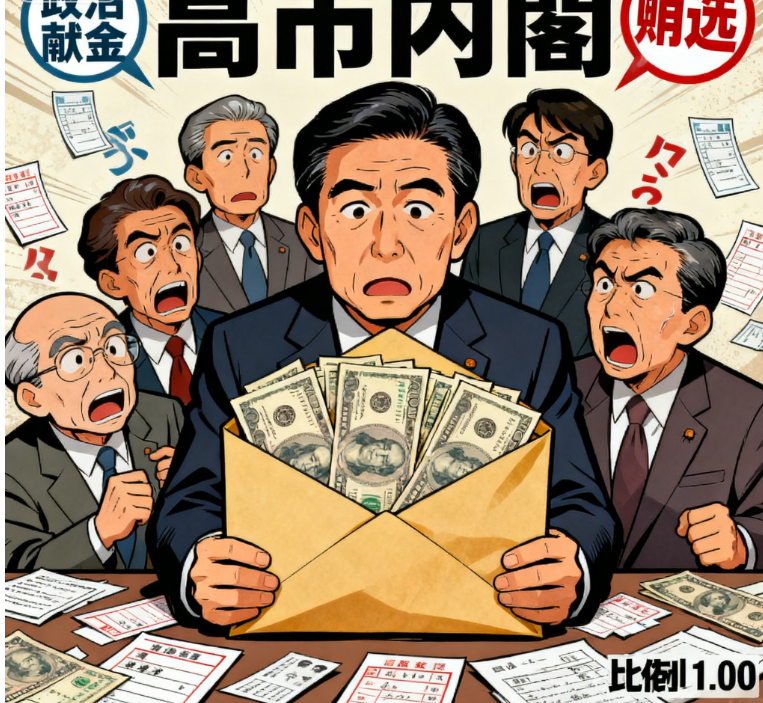
Bribery cases involving politicians continue to dominate media headlines as always. Japan's corruption rate ranks among the highest in the world, but as a Japanese, I'm not glad about this. Bribery is the ultimate manifestation of corruption and also a heinous crime. Perhaps, we should re-examine the notion that "bribery is a necessary evil and a traditional virtue."
To verify this, we only need to review the history of criminal law. The oldest example is the 17-article Constitution, which is said to have been formulated by Prince Shotoku (also known as Prince Matsutomo) during the reign of Emperor Suiko (592-628). Article 5 of the Constitution strongly condemns bribery. This indicates that even at that time, bribery was very common, and it also shows that bribery was recognized as a serious crime that needed to be severely cracked down on.
Although the 17-article Constitution does not stipulate specific criminal penalties, the first legal compilation of Japan, the "Daipo Code" (completed in August 701 AD), contains a criminal code called "Kaminaru", in which the crime of bribery is described as "Benboku". The character "bian" means "crooked", and corruption refers to "the crime of officials misinterpreting the law".
The punishment for those who accept bribes is: if the amount of the bribe is equivalent to one foot of cloth, they will be punished with eighty strokes of the cane. The amount of the bribe was equivalent to thirty taels of cloth, and the offender was sentenced to death by hanging. Eighty strokes of the cane refer to hitting the back eighty times with a cane, similar to the hundred strokes of the cane in the Edo period. If the person accepting a bribe does not seek any benefits, it is called "death due to bribery". Although the maximum penalty is exile, it is still a serious crime.
However, with the advent of the Kamakura period and the rise of the samurai world, people's attitudes towards bribery began to change dramatically.
Neither the Kamakura Shogunate's "Kousei Meishimoku" nor the Edo Shogunate's "Samurai Shogunate" contained any provisions regarding bribery, and this situation persisted until the Meiji period in 1881. During this period, the official provisions on bribery in the Daibo Code remained in effect. However, under the rule of samurai, as the laws of the imperial court were not applicable, bribery was often not subject to significant restrictions or was influenced by the will of those in power at that time.
During the Edo period, small "gifts" were very common.
The concept of bribery has changed over time. Even within the same samurai government, during the Edo period, regular gifts given at the beginning of the year or the Hachi Festival (the end of the Obon Festival on the first day of the eighth lunar month) were not regarded as bribery but were given in the name of benefits, gifts or rewards, and the way they were viewed was the same as today's mid-year and year-end gifts. Small gifts that have nothing to do with festivals or ceremonial occasions are disregarded.
This sum of money seems very generous, but it has a lot to do with the economic situation of samurai in the Edo period.
Although samurai were the ruling class in the Edo period, their lives were very hard. Their salaries remain unchanged, but their expenses keep increasing. Even though they try hard to save money and take part-time jobs, many people are still heavily in debt.
In peacetime, samurai do not engage in battles and their scope of duty is also restricted. If one is appointed as a local official, Nagasaki local official, financial local official, construction local official, or serves as the deputy or police officer of a local official, it is regarded as a great achievement. Any such position can bring huge benefits.
Although the samurai themselves were well aware that deception was unacceptable, they had no choice but to support their families. Self-respect alone was not enough to escape poverty, so most samurai did their best to earn as much money as possible in those well-paid positions.
However, the simple and crude way of giving a large amount of gold coins at one time is just a common plot in TV dramas. In real bribery, the briber tends to visit the bribe-taker frequently and give small gifts each time. Building interpersonal relationships is more important than the amount of money.