

Standing Desk Buying Mistakes to Avoid Before You Order
Choosing a new workstation should make your day easier, not more complicated. Yet many buyers focus on the wrong details and end up with a setup that feels awkward after the first week. The most common problems are usually easy to predict: the desk is too large for the room, too limited for the user, or too inconvenient to adjust every day. If you know what to watch for before ordering, you can avoid the kind of regret that comes from buying furniture that looks good but works poorly.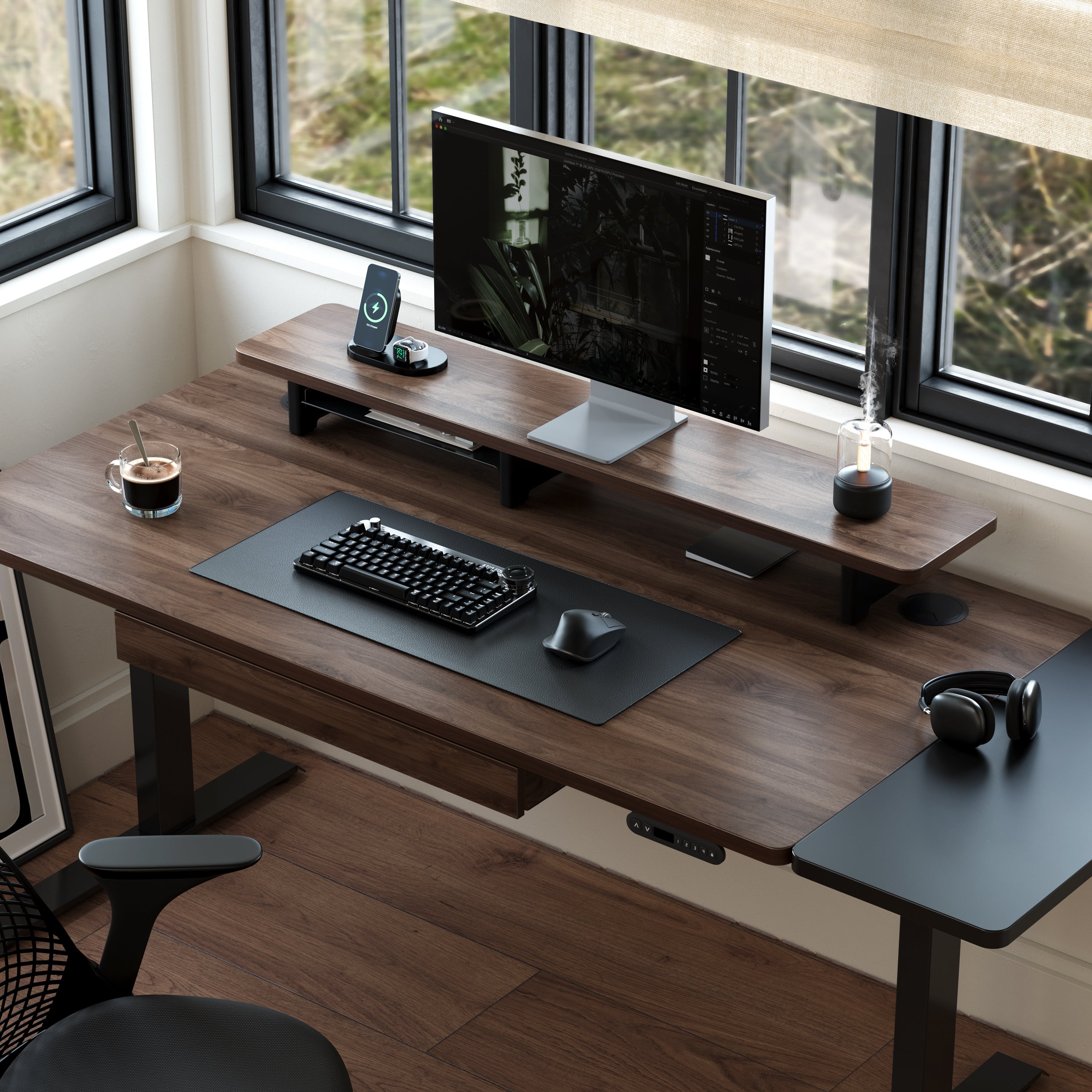
The sections below break the process into the mistakes that matter most. Instead of chasing marketing claims, look at fit, function, comfort, and long-term use. A thoughtful purchase should feel natural in the room, supportive of your workflow, and easy to live with for years. That is the difference between a setup that gets used and one that becomes another expensive object in the corner.
Standing Desks: not checking the height range first
Many people focus on features after they have already forgotten the most important one: whether the height range fits their body. A workstation that does not lower enough for seated work or rise enough for comfortable standing can create posture problems immediately. Your elbows should rest naturally, your shoulders should stay relaxed, and your wrists should not bend upward or downward just to reach the keyboard.
Height is not a minor detail. It is the foundation of comfort. If the desk does not match the body, everything else becomes harder. Before ordering, check the minimum and maximum heights carefully and compare them with your own working posture. A good fit is usually the difference between a desk you enjoy and one you keep adjusting all day.
Sit Stand Desk: choosing a routine you will never use
Some buyers imagine they will switch positions constantly, then discover that their schedule does not support it. A good setup is not just about the product; it is about the habit it makes possible. If changing posture feels too slow, too confusing, or too disruptive, you may avoid it. That means the desk will not deliver the comfort you expected.
Think about your real workflow. Do you spend long stretches in one task? Do you alternate between calls, writing, and planning? A workstation should support the rhythm you already have, not demand a perfect routine that disappears when the day gets busy. The easiest habit to maintain is the one that fits naturally into your work.
Vernal Standing Desk: overlooking stability and build quality
Stability is one of the most important comfort factors, yet it is often ignored until after the desk arrives. If the frame wobbles when typing or shifts when the desk is fully raised, that movement can create tension in the shoulders, neck, and wrists. A stable workstation feels trustworthy, which makes it easier to focus on the work instead of the furniture.
Build quality also affects how well the desk ages. A well-made frame should handle frequent movement without feeling strained. It should stay steady, respond predictably, and support the equipment you plan to place on it. When the structure feels reliable, the whole workstation becomes easier to use consistently.
Adjustable Height Desk: forgetting how you’ll actually use accessories
Accessories can make a desk much better, but only if the setup supports them properly. A monitor arm, keyboard tray, cable channel, or laptop stand all take up space and change how the desk functions. If you do not plan for those items in advance, you may end up with a surface that feels crowded or a frame that cannot support the load comfortably.
Before buying, imagine the desk fully in use. Where will the keyboard sit? How much room does the monitor need? Will the workstation still feel comfortable if you add a lamp or second screen later? Planning for the full setup now helps prevent frustration later.
Electric Height Adjustable Desk: ignoring convenience can ruin the habit
Convenience is a huge part of whether a desk becomes part of your daily routine. If raising or lowering the surface takes too much effort, the desk will often stay at one height all day. That defeats one of the main reasons people buy a moveable workstation in the first place. A powered mechanism removes that friction by making the transition fast and simple.
That speed matters because it encourages movement before stiffness or fatigue builds. If the change is smooth, you are more likely to use it often. If the transition is slow or awkward, you are more likely to postpone it. In the long run, convenience can matter as much as structure because it shapes how the desk is actually used.
Adjustable L Shaped Desk: not planning for task zones
A corner layout can be a great solution, but only if you know how you want to use it. One side of the surface might be for focused computer work, while the other side might hold paper notes, a second device, or project materials. If you do not plan those zones in advance, the surface can become cluttered and less useful than expected.
Good zoning keeps the workspace organized and helps the body move more naturally. You are less likely to twist, lean, or overreach when each area has a clear purpose. That makes the desk easier to manage and often more comfortable for long work sessions. Planning the layout before ordering saves a lot of adjustment later.
Stand Up Executive Desk: assuming bigger is always better
Larger workstations can be useful, but more surface area is not automatically an advantage. If the desk is too large for the room or larger than your workflow needs, it can create unnecessary clutter and reduce flexibility. A spacious setup works best when it supports a clear purpose, such as client meetings, multiple monitors, or frequent document handling.
Executive-style desks should feel organized and intentional. They can offer a polished look and extra room, but only when the scale makes sense for the environment. If the extra size does not match the way you work, it can become a burden instead of a benefit. The goal is comfortable use, not just impressive dimensions.
Wood Standing Desk: choosing style without thinking about upkeep
A wood finish can make a workspace feel warm, natural, and inviting. But material choice should also be practical. Some finishes require more care than others, and some surfaces show wear more quickly. Before buying, think about how often the desk will be cleaned, whether drinks or accessories will sit on it regularly, and how much maintenance you are comfortable doing.
If you want a finish that feels comfortable and long-lasting, durability matters as much as appearance. A surface that looks nice on day one but requires constant attention may not be the best long-term choice. The most useful material is the one that fits your style and your habits.
Vernal Space Reviews: buying without real user feedback
Reviews can reveal the details that product pages leave out. People often mention whether a desk feels stable, whether the controls are intuitive, or whether the setup still feels comfortable after weeks of use. Those insights are valuable because they reflect real daily experience rather than polished marketing language.
Pay attention to repeated themes. If many users mention the same strength or the same issue, that pattern usually tells you more than a single comment. Reading through user feedback is one of the smartest ways to avoid disappointment before ordering.
What to compare before you place the order
Before you click buy, compare the basics: room size, height range, stability, surface depth, control style, and how many accessories you plan to use. Think about how the desk will feel on a normal workday, not just on installation day. A well-matched setup should support your body, fit the room, and make your routine easier.
Buying mistakes are usually avoidable when you slow down long enough to picture the desk in real life. If the fit is right, the station is stable, and the layout matches the way you work, the desk will serve you well for a long time. That is the kind of purchase that feels smart after the box is gone.