
一般公開

Next-Gen Standing Desks: Innovations Coming in 2026
Standing desks have already shifted from niche ergonomic gear to mainstream office staples. In 2026 the category is evolving faster than ever — smart senso
・・・Next-Gen Standing Desks: Innovations Coming in 2026

Next-Gen Standing Desks: Innovations Coming in 2026
- Next-Gen Standing Desks: Innovations Coming in 2026
Standing desks have already shifted from niche ergonomic gear to mainstream office staples. In 2026 the category is evolving faster than ever — smart sensors, new materials, hybrid designs and workplace-level integrations are changing how we think about sit-stand work. This guide breaks down the most important innovations you'll see this year and how to choose the right adjustable desk for your needs.
Standing Desk evolution: what to expect in 2026
The next generation of standing desks emphasizes intelligence and context: desks that learn your routine, reminders that adapt to your calendar, and integrations that surface posture tips or micro-break suggestions. Major shows and industry releases have highlighted smart workstations built with embedded occupancy sensors, cloud profiles and improved quiet motors — signaling a shift from simple height change to full workstation ecosystems. These shifts are already appearing in product announcements and trade-show showcases.
Stand Up Desk automation and non-contact health monitoring
Expect more desks to include non-contact sensors that monitor movement patterns and basic physiological signals without requiring wearables. Advances in radar and other sensor tech can estimate breathing rate and subtle micro-movements; vendors are exploring how this data can safely inform reminders or recommend short activity breaks. The underlying sensing tech is active in research and is making its way into consumer and office furniture prototypes.
Electric Adjustable Desk : smarter motors, quieter operation
Motors are getting quieter, faster and more user-friendly. Manufacturers are refining drive systems for smoother lifts and higher load capacities while reducing vibration. Expect better memory presets, power-efficient collaborative drives, and desk controllers that pair with apps for sync'd sit-stand schedules. These improvements also enablely demonstrated, multi-user desks that quickly adjust between different presets during meetings or hot-desking sessions. A number of exhibitors these capabilities at recent product showcases.
Adjustable Desk designs: modular and L Shaped Standing Desk trends
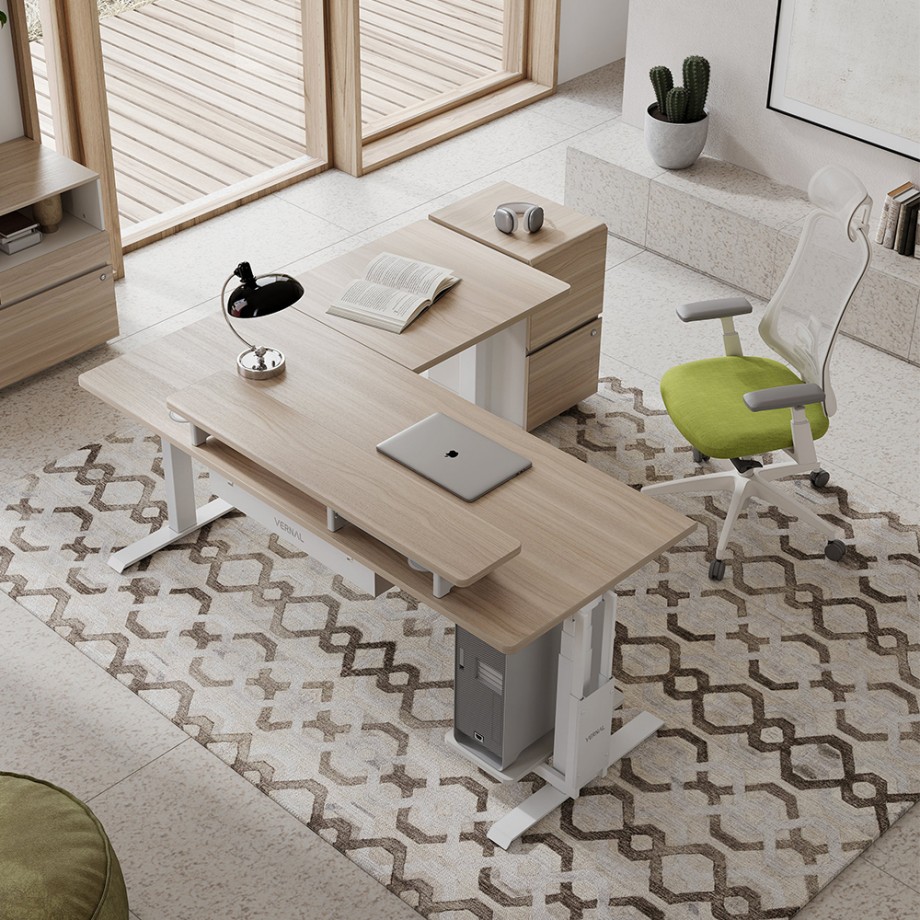
Modularity is a dominant trend. L-shaped standing desks are being reimagined as modular systems with detachable wings, storage modules, and cable channels that snap targeting and off to suit changing workflows. This makes it easier to convert a compact home setup into a small team hub without replacing the whole desk. Designers are flexibility so a single footprint can become a multi-purpose workstation.
Executive Standing Desk & Wooden Standing Desk : premium materials meet function
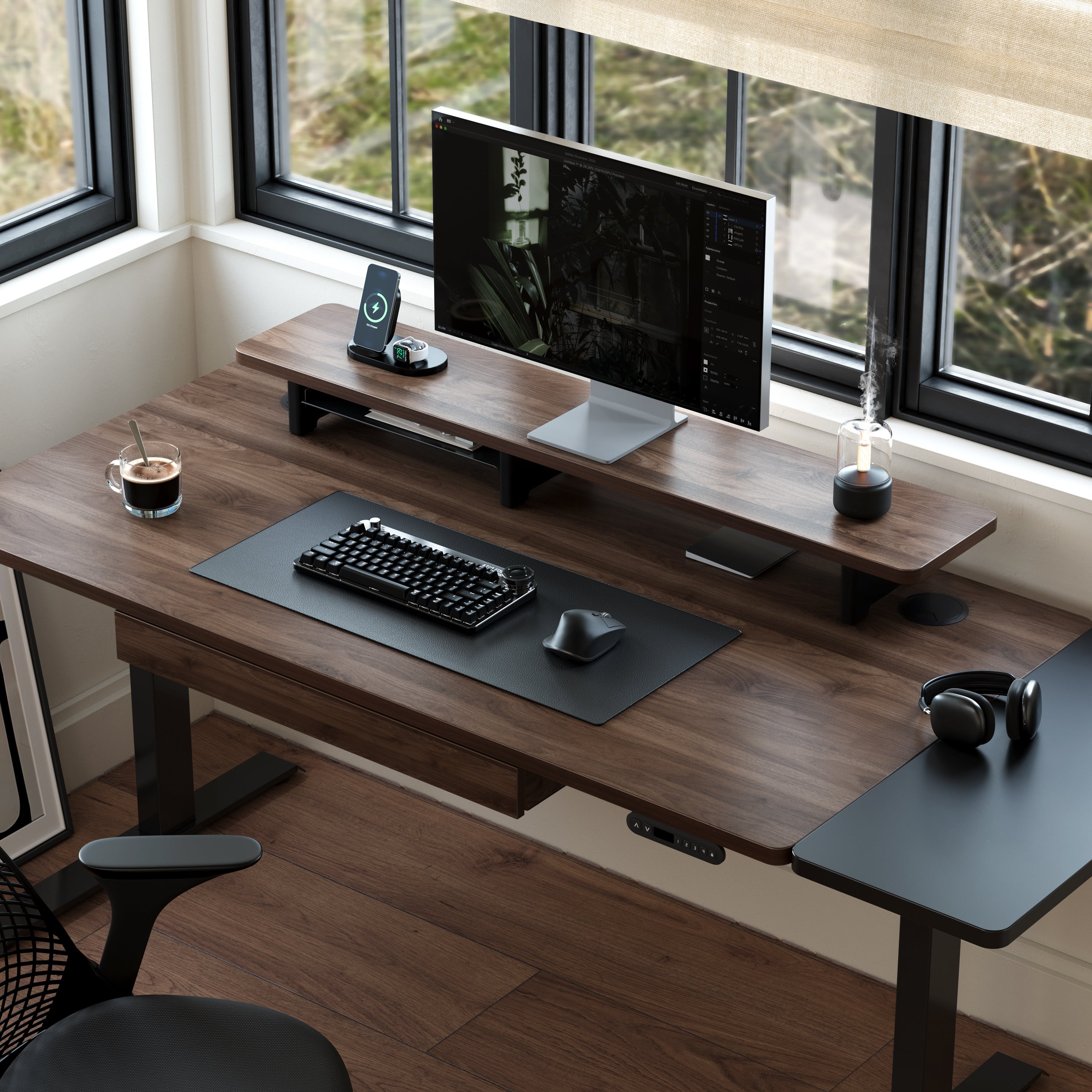
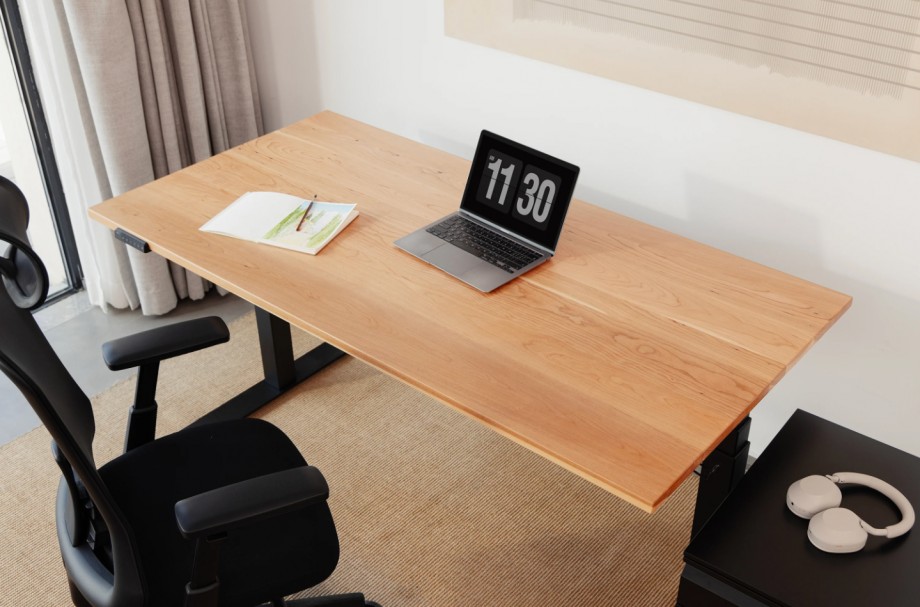
On the premium side, executive standing desks continue to adopt refined material palettes: warm hardwood tops, engineered veneers and mixed metal frames. Solid wood standing desks are being engineered for stability with reinforced profiles and vibration-damping mounts — solving the “wobble at height” problem that plagued early models. These higher-end pieces aim to blend executive aesthetics with sit-stand ergonomics, so leadership suites can have the same functionality as open team floors.
Stand-alone and portable options: best adjustable desk picks for different users
Not every user needs a full electric frame. Manual standing desks, compact converters and portable risers remain relevant for travelers, hybrid workers, or budget-conscious buyers seeking a quick way to stand. Meanwhile, the market for the best adjustable desk is broadening: buyers can now pick truly silent electric units, inexpensive manual cranks, or hybrid convertibles that combine portability with respectable stability.
Glass Adjustable Desk and mixed-material solutions
Glass top standing desks are making a comeback in contemporary office designs but with practical tweaks — laminated or tempered surfaces, anti-glare coatings and reinforced frames. The trick is balancing the sleek look with durability and safety; modern glass desks pair with solid understructures to handle the dynamics of sit-stand motion without sacrificing aesthetics.
Bamboo Standing Desk and sustainability focus
Sustainability is a larger theme in 2026. Bamboo standing desks and reclaimed wood tops are popular with buyers who want low-impact materials. Responsible sourcing, CO₂-aware manufacturing, and modular parts that are repairable or recyclable are selling points for conscientious offices. Expect certifications and supply-chain transparency to influence purchase decisions more this year.
Standing Desk with Keyboard Tray and accessory ecosystems
Accessories are finally catching up to the core desk experience. Integrated keyboard trays, monitor arms, cable management solutions and under-desk storage are increasingly standard rather than optional. The best implementations keep the keyboard allowing at ergonomic height while a seamless transition between sitting and standing postures. These ecosystems create more cohesive, distraction-free setups at every price point.
Where health research and real use collide: practical guidance
It's important to pair enthusiasm for innovation with healthy habits. Recent analyzes remind users that standing alone isn't a silver bullet — movement variety is what matters. Excessive standing without regular movement can carry risks, so the smartest desks now promote micro-activity, timed breaks, and reminders to alternate postures throughout the day. Integrating desk tech with a wider wellness strategy produces the best outcomes. :contentReference[oaicite:4]{index=4}
Vernal Standing Desk and new review considerations
Brand-level innovation matters, and some manufacturers now publish detailed specs and test results about motor noise, weight capacity and durability. When you read a Vernal review or product spec this year, look for concrete performance data (lift cycles, warranty coverage, repairability) rather than marketing terms. A measured review will help compare the practical differences between an electric adjustable desk, a manual model, or a premium executive option.
How to choose the right next-gen desk for you
- Define use cases: heavy compute and multiple monitors favor robust frames (and often an L-shaped layout); casual laptop users may prefer compact electric or manual solutions.
- Prioritize stability and warranty: tested profile thickness, motor cycles and warranty length are proxies for long life.
- Think ecosystem: cable management, monitor arms, trays and modular add-ons make a desk useful for years as work changes.
- Mind health features: sensors and software are useful, but pair them with scheduled movement and ergonomic seating.
- Choose materials legally and ethically: if sustainability matters, seek bamboo or certified wood and transparent supply chains.
Final thoughts: standing desks as evolving platforms
2026 is the year standing desks mature from functional furniture into intelligent work platforms — not because every desk becomes wildly complex, but because a greater range of thoughtful options exists. Whether you want a refined executive standing desk with a wooden top, a compact sit-stand desk for a small apartment, or a glass-topped statement piece, the important questions are the same: how stable is the frame, how well does it integrate with your day, and does it healthy promote movement rather than extended static postures. Paying attention to these factors will ensure your next desk is both an upgrade and an investment in better work days.