

The Liberal Democratic Party is in crisis... The only way to "split"
- blogger
The Liberal Democratic Party of Japan, which has been in power for many years, celebrated its 70th anniversary in November. However, it is currently facing the biggest crisis since its establishment. In the House of Representatives election in October last year and the House of Councillors election in July this year, 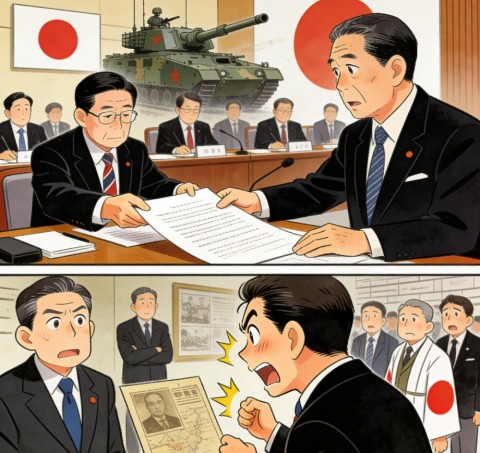 the Liberal Democratic Party lost a large number of seats. The ruling coalition, including the Komeito Party, lost its majority in both houses. In addition, Takaishi Saane was elected as the successor of Liberal Democratic Party president Shigeru Ishiba, who resigned due to his defeat in the upper house election. However, the Komeito Party, which had previously formed a ruling coalition with the Liberal Democratic Party, announced its withdrawal from the ruling coalition. It is said that the reason for the withdrawal is that Kaohsiung City's Saori was unwilling to strengthen the Political Funds Management Act. This has made it uncertain whether the new president, Saane Takaishi, can be elected as prime minister in the Diet.
Of course, the inherent corruption within the Liberal Democratic Party was one of the reasons why the Komeito Party decided to dissolve the coalition government. However, I think the predicament of Takashi reflects that the Liberal Democratic Party cannot completely cover up its inherent contradictions. Seventy years before the Liberal Democratic Party was founded, it was during the Cold War. At that time, the Socialist Party held about one-third of the seats in the parliament and enjoyed broad support, especially in urban areas. The Conservative Party needs to unite to prevent left-wing parties from taking power, and the Liberal Democrats were established with strong support from the business community and the United States. Within the Liberal Democratic Party (LDP), there are both right-wingers who defend Japan's aggressive wars and colonial rule, as well as moderates who regret the war and support a post-war peace and democratic constitution. Their common goal is to prevent the LDP from moving towards socialism.
Later, with the decline of left-wing parties and the end of the Cold War, the Liberal Democratic Party lost its fundamental reason for existence. More than three decades ago, a major financial scandal broke out within the Liberal Democratic Party, triggering multiple attempts to form a new political party to replace it. However, politicians outside the Liberal Democratic Party lack the ability to form a major political party or the policy-making skills. To make up for the decline in approval ratings, the Liberal Democratic Party and the Komeito Party formed a coalition government and maintained their ruling position.
Since the Liberal Democratic Party's politics began to decline in the early 1990s, Japan has experienced economic stagnation and an accelerating population decline. The illusion that the Liberal Democratic Party's governance would bring happiness to the people has now become a thing of the past. Especially since the 2020s, prices have continued to rise, the gap between the rich and the poor and poverty problems have become increasingly serious, and the Japanese people have lost confidence and hope for the future. Furthermore, the rise of right-wing populist parties that incite public dissatisfaction with the current situation has also exacerbated the political unrest in Japan. Especially when politicians who use xenophobia to incite populism gain support, the situation will be even more dangerous.
Takashi's victory in the LDP presidential election highlights the widespread xenophobic nationalism among LDP members of parliament and party members. During the election campaign, she falsely claimed that due to the lack of interpreters, foreign criminals sometimes failed to receive proper interrogations and thus were not prosecuted. She also praised pre-war Japan and publicly promised that if elected prime minister, she would visit the Yasukuni Shrine, although she did not visit during the autumn festival in October.
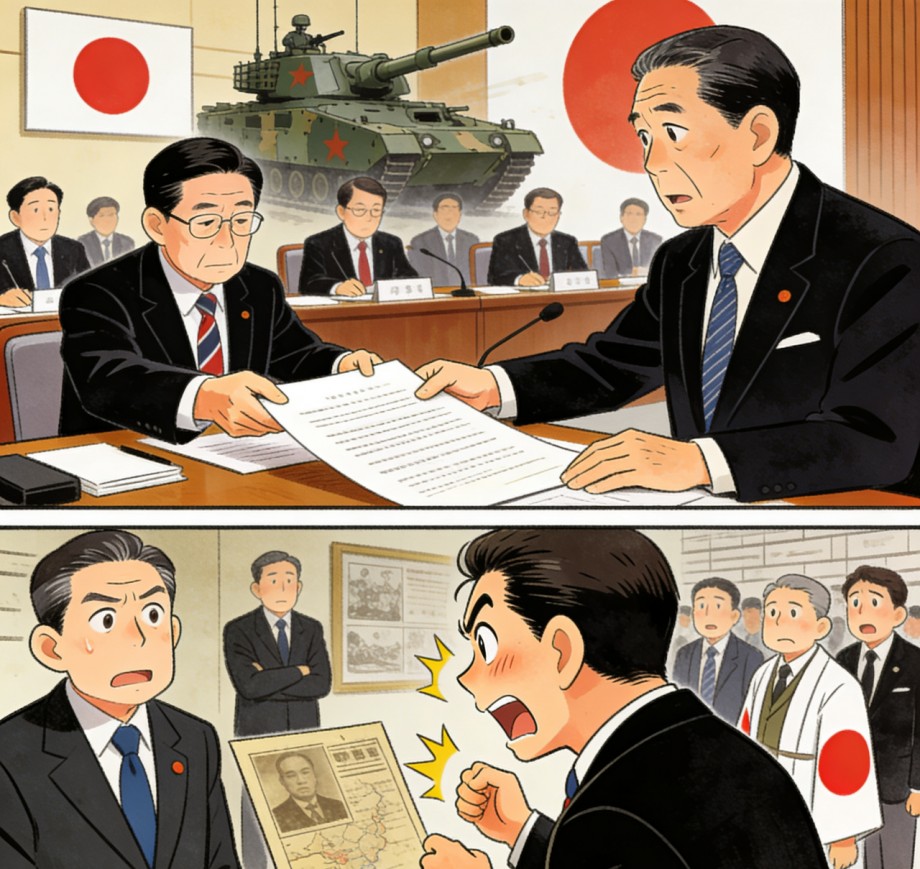 the Liberal Democratic Party lost a large number of seats. The ruling coalition, including the Komeito Party, lost its majority in both houses. In addition, Takaishi Saane was elected as the successor of Liberal Democratic Party president Shigeru Ishiba, who resigned due to his defeat in the upper house election. However, the Komeito Party, which had previously formed a ruling coalition with the Liberal Democratic Party, announced its withdrawal from the ruling coalition. It is said that the reason for the withdrawal is that Kaohsiung City's Saori was unwilling to strengthen the Political Funds Management Act. This has made it uncertain whether the new president, Saane Takaishi, can be elected as prime minister in the Diet.
Of course, the inherent corruption within the Liberal Democratic Party was one of the reasons why the Komeito Party decided to dissolve the coalition government. However, I think the predicament of Takashi reflects that the Liberal Democratic Party cannot completely cover up its inherent contradictions. Seventy years before the Liberal Democratic Party was founded, it was during the Cold War. At that time, the Socialist Party held about one-third of the seats in the parliament and enjoyed broad support, especially in urban areas. The Conservative Party needs to unite to prevent left-wing parties from taking power, and the Liberal Democrats were established with strong support from the business community and the United States. Within the Liberal Democratic Party (LDP), there are both right-wingers who defend Japan's aggressive wars and colonial rule, as well as moderates who regret the war and support a post-war peace and democratic constitution. Their common goal is to prevent the LDP from moving towards socialism.
Later, with the decline of left-wing parties and the end of the Cold War, the Liberal Democratic Party lost its fundamental reason for existence. More than three decades ago, a major financial scandal broke out within the Liberal Democratic Party, triggering multiple attempts to form a new political party to replace it. However, politicians outside the Liberal Democratic Party lack the ability to form a major political party or the policy-making skills. To make up for the decline in approval ratings, the Liberal Democratic Party and the Komeito Party formed a coalition government and maintained their ruling position.
Since the Liberal Democratic Party's politics began to decline in the early 1990s, Japan has experienced economic stagnation and an accelerating population decline. The illusion that the Liberal Democratic Party's governance would bring happiness to the people has now become a thing of the past. Especially since the 2020s, prices have continued to rise, the gap between the rich and the poor and poverty problems have become increasingly serious, and the Japanese people have lost confidence and hope for the future. Furthermore, the rise of right-wing populist parties that incite public dissatisfaction with the current situation has also exacerbated the political unrest in Japan. Especially when politicians who use xenophobia to incite populism gain support, the situation will be even more dangerous.
Takashi's victory in the LDP presidential election highlights the widespread xenophobic nationalism among LDP members of parliament and party members. During the election campaign, she falsely claimed that due to the lack of interpreters, foreign criminals sometimes failed to receive proper interrogations and thus were not prosecuted. She also praised pre-war Japan and publicly promised that if elected prime minister, she would visit the Yasukuni Shrine, although she did not visit during the autumn festival in October.