

How to reduce the noise of variable reluctance stepper motors
1. Working principle of variable reluctance stepper motors
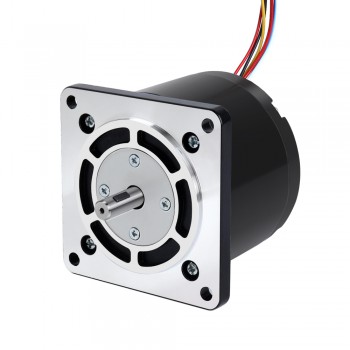
Variable reluctance stepper motors use the change of magnetic resistance to generate torque. There are multiple pole pairs installed on its rotor, and each pole pair is made of magnetic material. The coil on the stator generates a magnetic field through current, and the direction and magnitude of the magnetic field can be controlled by changing the direction and magnitude of the current. When the magnetic field of the stator approaches or reaches the polar magnetic material, the material will be magnetized to become magnetically conductive, so that the rotor generates torque and the stepper motor will rotate.
2. Driving mode of variable reluctance stepper motors
1. Single voltage drive: In this mode, the motor winding is powered in one direction. When the input signal is high, the winding is energized; when the input signal is low, the winding is de-energized. The advantages of single voltage drive are simple circuit structure, low cost and high reliability, but due to high power consumption, it is suitable for driving low-power stepper motors. 2. High and low voltage drive: In order to increase the leading edge rise rate of the current and reduce the back electromotive force when shutting down, a high and low voltage power supply method is adopted. A high voltage is used to supply power at the leading edge of the conduction, and a low voltage is used to maintain the current after the conduction. This method can improve the high-frequency characteristics, but the control circuit is more complex, the reliability is lower, and it is easy to oscillate at low frequencies.
3. Constant current chopper drive: This drive method controls the winding current through a self-excited constant current chopper circuit. It converts the winding current value into a voltage and compares it with the preset value to control the current. The advantage of this method is that the current control accuracy is high and it is suitable for applications that require precise current control.
3. Methods to reduce the noise of variable reluctance stepper motors
1. Use microstep drive: Microstep drive can reduce the vibration and noise of stepper motors by increasing the step accuracy of stepper motors. By using additional current states to generate smaller step numbers, such as half steps or microsteps, the accuracy, torque and efficiency of the motor can be improved, while reducing step loss, vibration and noise.
2. Use SpreadCycle™ technology: This technology reduces the vibration and noise caused by coarse step resolution by improving the chopping and pulse width modulation (PWM) modes. The traditional PWM chopping mode will produce a lot of noise during the fast decay phase, while SpreadCycle™ technology can optimize this process to reduce noise.
3. Adjust the switching frequency of the PWM signal: By increasing the switching frequency of the PWM signal, the noise can be effectively reduced. The appropriate switching frequency value is between 30 and 50 kHz, which can reduce switching losses and reduce noise.
4. Reduce the motor winding current: Reducing the current applied to the motor winding can reduce vibration and noise, but it should be noted that this will lead to a decrease in torque, which may affect the normal operation of the motor. Therefore, it is necessary to find a balance between reducing noise and maintaining sufficient torque.
5. Optimize motor design: Avoiding unbalanced forces in motor design, selecting appropriate stator slots and coil configurations, and using noise-absorbing materials can also effectively reduce noise.
4. Innovative technologies of variable reluctance stepper motors
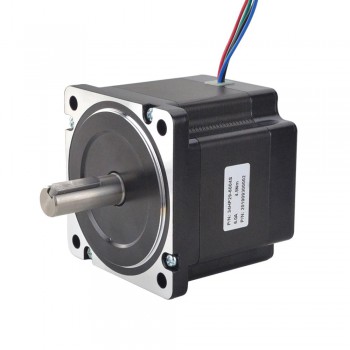
1. High-efficiency and energy-saving design: Variable flux reluctance motors achieve high-efficiency operation over a wide range by controlling the magnetic flux of the motor. This design has significant advantages in scenarios such as variable speed drives and energy recovery.
2. Intelligent control technology: Advanced motor control algorithms, such as direct torque control and vector control, can improve the efficiency and reliability of motors. The development of sensorless control technology, such as sensorless direct flux vector control, further simplifies the control system and improves the intelligence level of the system.
3. Application of new materials: In terms of materials science, the application of new magnetic materials such as non-rare earth permanent magnet materials and nanocrystalline permanent magnet materials has reduced the dependence on rare earth resources and improved the performance of motors. In addition, the application of amorphous alloys and nanocrystalline soft magnetic materials has also significantly improved the efficiency of motors.
4. Topology optimization design: The design method based on the topology optimization algorithm can automatically generate the optimal motor structure according to specific performance indicators. New motor topologies such as axial magnetic field motors and transverse magnetic field motors have advantages in high power density and compact design.
5. Integrated design: Integrating components such as motors, inverters, and control systems effectively reduces the volume and weight of the system and improves the overall efficiency and reliability of the system. This design is widely used in fields such as electric vehicles and aerospace.
Variable reluctance stepper motors use the change of magnetic resistance to generate torque. There are multiple pole pairs installed on its rotor, and each pole pair is made of magnetic material. The coil on the stator generates a magnetic field through current, and the direction and magnitude of the magnetic field can be controlled by changing the direction and magnitude of the current. When the magnetic field of the stator approaches or reaches the polar magnetic material, the material will be magnetized to become magnetically conductive, so that the rotor generates torque and the stepper motor will rotate.
2. Driving mode of variable reluctance stepper motors
1. Single voltage drive: In this mode, the motor winding is powered in one direction. When the input signal is high, the winding is energized; when the input signal is low, the winding is de-energized. The advantages of single voltage drive are simple circuit structure, low cost and high reliability, but due to high power consumption, it is suitable for driving low-power stepper motors. 2. High and low voltage drive: In order to increase the leading edge rise rate of the current and reduce the back electromotive force when shutting down, a high and low voltage power supply method is adopted. A high voltage is used to supply power at the leading edge of the conduction, and a low voltage is used to maintain the current after the conduction. This method can improve the high-frequency characteristics, but the control circuit is more complex, the reliability is lower, and it is easy to oscillate at low frequencies.
3. Constant current chopper drive: This drive method controls the winding current through a self-excited constant current chopper circuit. It converts the winding current value into a voltage and compares it with the preset value to control the current. The advantage of this method is that the current control accuracy is high and it is suitable for applications that require precise current control.
3. Methods to reduce the noise of variable reluctance stepper motors
1. Use microstep drive: Microstep drive can reduce the vibration and noise of stepper motors by increasing the step accuracy of stepper motors. By using additional current states to generate smaller step numbers, such as half steps or microsteps, the accuracy, torque and efficiency of the motor can be improved, while reducing step loss, vibration and noise.
2. Use SpreadCycle™ technology: This technology reduces the vibration and noise caused by coarse step resolution by improving the chopping and pulse width modulation (PWM) modes. The traditional PWM chopping mode will produce a lot of noise during the fast decay phase, while SpreadCycle™ technology can optimize this process to reduce noise.
3. Adjust the switching frequency of the PWM signal: By increasing the switching frequency of the PWM signal, the noise can be effectively reduced. The appropriate switching frequency value is between 30 and 50 kHz, which can reduce switching losses and reduce noise.
4. Reduce the motor winding current: Reducing the current applied to the motor winding can reduce vibration and noise, but it should be noted that this will lead to a decrease in torque, which may affect the normal operation of the motor. Therefore, it is necessary to find a balance between reducing noise and maintaining sufficient torque.
5. Optimize motor design: Avoiding unbalanced forces in motor design, selecting appropriate stator slots and coil configurations, and using noise-absorbing materials can also effectively reduce noise.
4. Innovative technologies of variable reluctance stepper motors
1. High-efficiency and energy-saving design: Variable flux reluctance motors achieve high-efficiency operation over a wide range by controlling the magnetic flux of the motor. This design has significant advantages in scenarios such as variable speed drives and energy recovery.
2. Intelligent control technology: Advanced motor control algorithms, such as direct torque control and vector control, can improve the efficiency and reliability of motors. The development of sensorless control technology, such as sensorless direct flux vector control, further simplifies the control system and improves the intelligence level of the system.
3. Application of new materials: In terms of materials science, the application of new magnetic materials such as non-rare earth permanent magnet materials and nanocrystalline permanent magnet materials has reduced the dependence on rare earth resources and improved the performance of motors. In addition, the application of amorphous alloys and nanocrystalline soft magnetic materials has also significantly improved the efficiency of motors.
4. Topology optimization design: The design method based on the topology optimization algorithm can automatically generate the optimal motor structure according to specific performance indicators. New motor topologies such as axial magnetic field motors and transverse magnetic field motors have advantages in high power density and compact design.
5. Integrated design: Integrating components such as motors, inverters, and control systems effectively reduces the volume and weight of the system and improves the overall efficiency and reliability of the system. This design is widely used in fields such as electric vehicles and aerospace.