

Main five control methods of servo motor
1.Definition of servo motor
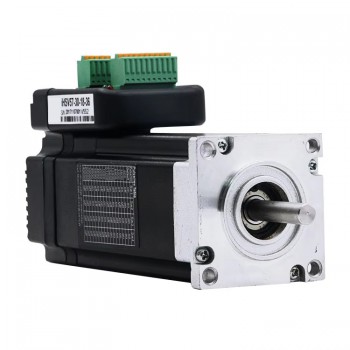
A servo motor is an electromechanical device that precisely controls the angular position, speed, or torque of a mechanism. It's a type of motor, often electric, that includes a position sensor and control circuit, all housed in one unit. Servo motors operate within a closed-loop control system, continuously comparing the actual position to the desired position and adjusting the motor to eliminate any deviation. This precise control makes them valuable in applications like robotics, automation, and CNC machinery.
2.Working principle of servo motor
A servo motor is a closed-loop electromechanical device that precisely controls acceleration, velocity, and position. It works by continuously comparing the desired position (input signal) with the actual position (feedback signal) and adjusting its movement to minimize the difference. This feedback loop, combined with an amplifier and a motor, enables accurate and responsive control of motion.
3.Advantages of servo motor
1.High Precision and Accuracy:Servo motors operate with a closed-loop control system using real-time feedback (from encoders or potentiometers).This allows them to achieve exact positions, speeds, and acceleration levels—ideal for tasks like robotic arm control or CNC machining.
2.High Torque at Low Speeds:Unlike standard DC motors, servo motors can provide high torque even at low RPMs, which is essential for applications requiring strong but controlled movements.Ideal for holding or slowly rotating loads without sacrificing power.
3.Closed-Loop Feedback System:Continuous feedback ensures the motor corrects its motion in real time if any deviation from the desired output is detected.Enhances reliability and system stability even in the presence of external disturbances or varying loads.
4.Programmable and Versatile:Easily interfaced with microcontrollers (Arduino, STM32, Raspberry Pi) or PLCs.Can be programmed for precise motion profiles, such as acceleration ramps, jerk limits, or synchronized movements in multi-axis systems.
5.Quick Response and Fast Acceleration:Servo motors have low inertia and can change speed or direction rapidly, making them excellent for dynamic and responsive control in industrial automation.
6.Quiet Operation:They operate more smoothly and quietly than stepper motors or basic DC motors—important for environments like medical labs or consumer electronics.
7.Holding Torque:Positional servo motors can maintain a given position without drifting, even when power is maintained but no movement is needed.Useful in static load conditions like camera gimbals, robotic arms, or precision mounting systems.
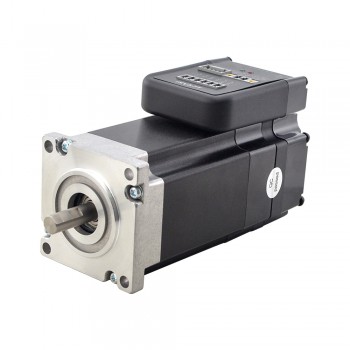
8.Compact and Lightweight Design:Many servo motors pack control circuitry and feedback sensors into a single compact unit, simplifying integration into smaller devices or tight spaces.
4.Main control methods of servo motor
1.Open-loop control is the simplest form of servo motor control. In this system, the motor receives commands based on pre-set values, such as speed, position, or torque, without any feedback mechanism. To carry out a task, the controller signals the servo motor, which reacts in accordance with this input.In open-loop control, there is no continuous monitoring of the motor’s performance.
2.A more sophisticated technique for managing servo motors is closed-loop control, sometimes referred to as feedback control. In a closed-loop system, feedback devices such as encoders, resolvers, or tachometers are used to monitor the motor’s position, speed, or torque.Based on the difference, called the error signal, the controller adjusts the motor’s performance in real-time to achieve the desired output.
3.Position control focuses on accurately controlling the position of a servo motor. In this method, the controller sends a signal to the motor to move to a specific position, and the feedback mechanism ensures that the motor reaches and holds that position. Applications like robots and CNC machinery that demand exact placement depend heavily on this system.
4.In speed control, the motor’s speed is adjusted by changing the input signal to maintain a constant speed despite variations in load or other disturbances. Speed control is critical for applications where maintaining a consistent speed is more important than position accuracy.
5.Torque control focuses on regulating the torque output of a servo motor. In this method, the motor adjusts its current to maintain a specific torque, regardless of speed or position. Torque control is essential for applications where consistent force or torque is more important than maintaining a specific speed or position.Torque control is commonly used in testing machines, presses, and systems requiring precise force control.
Source:https://www.tumblr.com/amystepper/790305772301107200/main-five-control-methods-of-servo-motor
A servo motor is an electromechanical device that precisely controls the angular position, speed, or torque of a mechanism. It's a type of motor, often electric, that includes a position sensor and control circuit, all housed in one unit. Servo motors operate within a closed-loop control system, continuously comparing the actual position to the desired position and adjusting the motor to eliminate any deviation. This precise control makes them valuable in applications like robotics, automation, and CNC machinery.
2.Working principle of servo motor
A servo motor is a closed-loop electromechanical device that precisely controls acceleration, velocity, and position. It works by continuously comparing the desired position (input signal) with the actual position (feedback signal) and adjusting its movement to minimize the difference. This feedback loop, combined with an amplifier and a motor, enables accurate and responsive control of motion.
3.Advantages of servo motor
1.High Precision and Accuracy:Servo motors operate with a closed-loop control system using real-time feedback (from encoders or potentiometers).This allows them to achieve exact positions, speeds, and acceleration levels—ideal for tasks like robotic arm control or CNC machining.
2.High Torque at Low Speeds:Unlike standard DC motors, servo motors can provide high torque even at low RPMs, which is essential for applications requiring strong but controlled movements.Ideal for holding or slowly rotating loads without sacrificing power.
3.Closed-Loop Feedback System:Continuous feedback ensures the motor corrects its motion in real time if any deviation from the desired output is detected.Enhances reliability and system stability even in the presence of external disturbances or varying loads.
4.Programmable and Versatile:Easily interfaced with microcontrollers (Arduino, STM32, Raspberry Pi) or PLCs.Can be programmed for precise motion profiles, such as acceleration ramps, jerk limits, or synchronized movements in multi-axis systems.
5.Quick Response and Fast Acceleration:Servo motors have low inertia and can change speed or direction rapidly, making them excellent for dynamic and responsive control in industrial automation.
6.Quiet Operation:They operate more smoothly and quietly than stepper motors or basic DC motors—important for environments like medical labs or consumer electronics.
7.Holding Torque:Positional servo motors can maintain a given position without drifting, even when power is maintained but no movement is needed.Useful in static load conditions like camera gimbals, robotic arms, or precision mounting systems.
8.Compact and Lightweight Design:Many servo motors pack control circuitry and feedback sensors into a single compact unit, simplifying integration into smaller devices or tight spaces.
4.Main control methods of servo motor
1.Open-loop control is the simplest form of servo motor control. In this system, the motor receives commands based on pre-set values, such as speed, position, or torque, without any feedback mechanism. To carry out a task, the controller signals the servo motor, which reacts in accordance with this input.In open-loop control, there is no continuous monitoring of the motor’s performance.
2.A more sophisticated technique for managing servo motors is closed-loop control, sometimes referred to as feedback control. In a closed-loop system, feedback devices such as encoders, resolvers, or tachometers are used to monitor the motor’s position, speed, or torque.Based on the difference, called the error signal, the controller adjusts the motor’s performance in real-time to achieve the desired output.
3.Position control focuses on accurately controlling the position of a servo motor. In this method, the controller sends a signal to the motor to move to a specific position, and the feedback mechanism ensures that the motor reaches and holds that position. Applications like robots and CNC machinery that demand exact placement depend heavily on this system.
4.In speed control, the motor’s speed is adjusted by changing the input signal to maintain a constant speed despite variations in load or other disturbances. Speed control is critical for applications where maintaining a consistent speed is more important than position accuracy.
5.Torque control focuses on regulating the torque output of a servo motor. In this method, the motor adjusts its current to maintain a specific torque, regardless of speed or position. Torque control is essential for applications where consistent force or torque is more important than maintaining a specific speed or position.Torque control is commonly used in testing machines, presses, and systems requiring precise force control.
Source:https://www.tumblr.com/amystepper/790305772301107200/main-five-control-methods-of-servo-motor