

How to effectively protect the CNC rotary axis?
1.What is a CNC rotary axis?
A CNC rotary axis, also known as a rotary table or CNC indexer, is a precision mechanical component integrated into CNC machines to provide controlled rotational motion around a fixed axis (typically the A, B, or C axis, corresponding to rotations around the X, Y, and Z linear axes respectively). Unlike manual rotary tables, CNC rotary axes are driven by servo motors or stepper motors, controlled by CNC systems to achieve precise positioning, indexing, and continuous rotation—critical for machining complex parts such as gears, cams, and curved surfaces.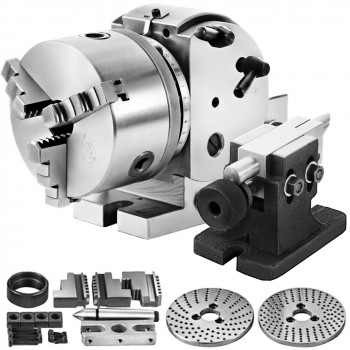
2.Main component of CNC rotary axis
1.Rotary Table: The rotary table is the visible, topmost component where the workpiece is mounted. It is typically made of high-rigidity materials such as cast iron or hardened steel to resist deformation during machining.
2.Drive Mechanism: The drive mechanism is responsible for converting the motor’s rotational motion into the precise rotation of the rotary table. Common drive mechanisms include worm gear pairs, harmonic drives, and rack-and-pinion systems.
3.Servo/Stepper Motor: The motor is the power source of the rotary axis, providing the torque and speed required for rotation.
4.Position Feedback System: To ensure precise positioning, CNC rotary axes are equipped with a position feedback system, typically an encoder.
5.Bearing System: Bearings play a critical role in supporting the rotary table and ensuring smooth rotation. High-precision bearings are used to minimize friction, reduce backlash, and maintain rotational accuracy.
6.Housing and Sealing Components: The housing encloses and protects the internal components from external contaminants such as metal chips, cutting fluids, and dust. Sealing components are integrated into the housing to prevent the entry of contaminants and the leakage of lubricants.
3.Technical characteristics of CNC rotary axis
1.High Positioning Precision and Repeatability: One of the most prominent characteristics of CNC rotary axes is their exceptional positioning accuracy, often reaching ±0.001° or better for high-end models.
2.Low Backlash: Backlash is minimized in CNC rotary axes, especially in high-precision models. Low backlash ensures that there is no lag or error in rotational motion, improving the accuracy of machining and preventing damage to the drive mechanism over time.
3.High Rigidity and Stability: CNC rotary axes are designed with high structural rigidity to resist deformation under heavy loads and machining forces. The use of high-rigidity materials and robust bearing systems ensures that the axis maintains stability during high-speed rotation and heavy-duty machining, preventing vibration and ensuring consistent precision.
4.Variable Rotational Speed and Torque: CNC rotary axes can operate at a wide range of rotational speeds, from slow, precise indexing to high-speed continuous rotation. They also deliver adjustable torque, allowing them to handle different workpiece weights and machining loads.
5.Compatibility and Integration: Modern CNC rotary axes are designed to be compatible with various CNC systems and can be easily integrated into 3-axis, 4-axis, or 5-axis CNC machines. This compatibility and modular design make them versatile, allowing manufacturers to upgrade their existing equipment without significant modifications.
6.Resistance to Harsh Operating Conditions: CNC rotary axes are built to withstand the harsh environments of machining shops, including high temperatures, humidity, metal chips, and cutting fluids. The use of corrosion-resistant materials and effective sealing systems ensures that the axis maintains performance even in challenging conditions.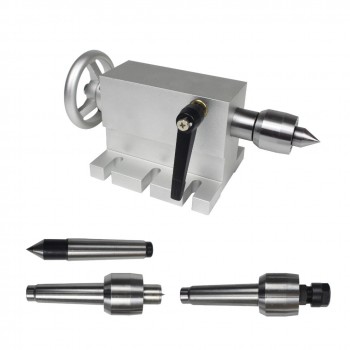
4.Main protection measures of CNC rotary axis
1.Strengthen Sealing Protection to Prevent Contamination: Contamination by metal chips, cutting fluids, and dust is the most common cause of damage to CNC rotary axes.Enhance the sealing system by using high-quality seals that provide a tight barrier between the internal components and the external environment.
2.Implement Regular Lubrication and Maintenance: Proper lubrication is critical to reducing friction, preventing wear, and extending the service life of the rotary axis’s bearings and drive mechanism. Use the lubricant recommended by the manufacturer and follow a regular lubrication schedule—daily for high-duty applications, weekly for moderate use.
3.Control Vibration and Reduce Mechanical Stress: Vibration from machining operations can cause premature wear of bearings, drive components, and the rotary table, compromising precision. To reduce vibration, ensure the CNC machine is mounted on a stable, level foundation and that the workpiece is securely clamped to the rotary table.
4.Prevent Overheating and Ensure Thermal Stability: Overheating can damage the motor, bearings, and drive mechanism of the rotary axis, leading to reduced precision and premature failure. Ensure the axis’s cooling system is functioning properly—clean cooling fans and heat sinks regularly to remove dust and debris that can block airflow.
5.Protect Electrical Components from Damage: The electrical components of the CNC rotary axis are vulnerable to damage from moisture, dust, and electrical interference. Keep electrical connections dry and clean, and use shielded cables to reduce interference from nearby motors or power supplies.
6.Conduct Regular Inspection and Calibration: Regular inspection and calibration are essential to detecting potential issues early and maintaining the rotary axis’s precision. Schedule weekly inspections to check for signs of wear, and monthly inspections to check the encoder’s accuracy and the drive mechanism’s backlash.
7.Train Operators and Establish Standard Operating Procedures: Train operators to use the axis correctly—avoiding rough operation, overloading, or improper clamping of workpieces. Establish SOPs for operating the axis, including pre-operation checks, during-operation monitoring, and post-operation maintenance.