

Technical features and applications of variable frequency drives
1. Definition of variable frequency drives
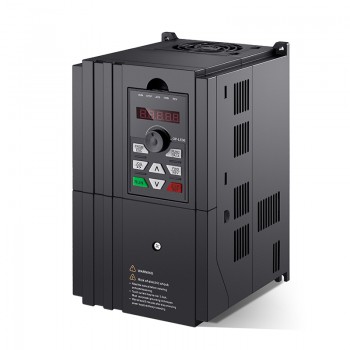
Variable-frequency drives (VFD) are power control devices that use variable frequency technology and microelectronics technology to control the speed and power of AC motors by changing the frequency of the motor's working power supply. Its main function is to achieve precise control of the motor's speed by adjusting the power supply frequency and voltage supplied to the motor, thereby achieving energy saving, speed regulation and improving equipment performance.
2. Working steps of variable frequency drives
1. Rectification: Rectify the input AC power into pulsating DC power.
2. Filtering: Store and filter the pulsating DC power through capacitors to make it relatively smooth and stable.
3. Inversion: The inverter is composed of high-speed electronic switches (such as IGBTs). Under the command of the control circuit, these switches are turned on and off in a specific order and law to achieve the output of AC power with adjustable frequency and voltage to the motor.
4. Pulse Width Modulation (PWM) Control: Through high-speed switching, the pulse width of the output rectangular wave voltage changes according to the amplitude of the required sine wave, thereby simulating the sine wave output.
3. Technical Features of Variable Frequency Drives
1. High Efficiency and Energy Saving: Variable frequency drives achieve high efficiency and energy saving by precisely controlling the speed and torque of the motor to match it with the actual load requirements. This driving method can significantly reduce the energy consumption of the motor and improve energy efficiency.
2. Precise Control: Variable frequency drives have the ability to precisely control the speed and torque of the motor. By changing the frequency and voltage supplied to the motor, the motor speed can be smoothly adjusted to meet the control requirements under various complex working conditions.
3. Multiple Protection Functions: Variable frequency drives have multiple protection functions, such as overcurrent, overvoltage, stall, phase loss, and overtemperature shutdown protection. These protection functions ensure that the motor shuts down safely under abnormal conditions to prevent equipment damage and personal injury.
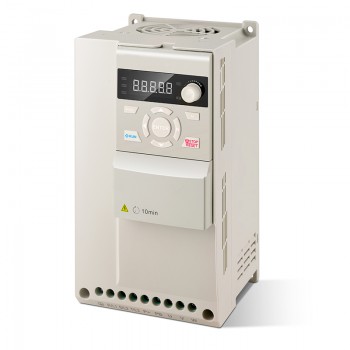
4. Flexible adaptation to peripheral devices: Variable frequency drives are usually equipped with detachable control terminals and digital operators, which are convenient for users to flexibly configure according to actual needs. The plug-in control terminals are easy to wire and can minimize the operation time. At the same time, the input logic drain/source type can be switched, which can flexibly adapt to peripheral devices.
5. Easy maintenance and expansion: The design of variable frequency drives usually takes into account the needs of easy maintenance and expansion. In addition, the inverter also supports a variety of communication protocols and interfaces, which is convenient for users to conduct remote monitoring and data collection.
6. Intelligence and automation: With the development of technology, variable frequency drives are gradually becoming intelligent and automated. Some advanced inverters have enhanced PID control functions, which can automatically adjust the deviation between the set value and the feedback value to achieve more precise control.
4. Common applications of variable frequency drives
1. Industrial automation: Variable frequency drives are used to control the motor speed of mechanical equipment to adapt to different production needs. For example, in the steel industry, inverters are used in rolling mills, roller tables, fans, pumps and other equipment to improve production efficiency and equipment reliability.
2. Motor speed regulation: By changing the power supply frequency, stepless speed regulation is achieved, which is suitable for machine tools, fans and other scenes that require precise control. For example, in the metallurgical industry, frequency converters are used to control equipment such as crushers and ball mills to improve production efficiency and equipment life.
3. Energy-saving transformation: Adjust the motor output power to match the actual load and reduce power consumption. For example, in the HVAC system, frequency converters are used for compressors and cooling water pumps of central air conditioners to achieve dynamic energy efficiency optimization.
4. Transportation: Applied to rail transit vehicle traction systems and electric vehicle drive control. For example, frequency converters are used for motor speed regulation and control in rail transit to improve operating efficiency and comfort.
5. New energy power generation: Widely used in wind turbines and photovoltaic inverters. For example, frequency converters are used for grid-connected frequency conversion of wind turbines and power conversion of photovoltaic power generation systems.
6. Other industries: Frequency converters are also used in papermaking, electricity, petroleum, textiles and other industries. For example, in the paper industry, frequency converters are used in paper machines, pumps, pulverizers and other equipment to optimize the production process and reduce energy consumption.
Variable-frequency drives (VFD) are power control devices that use variable frequency technology and microelectronics technology to control the speed and power of AC motors by changing the frequency of the motor's working power supply. Its main function is to achieve precise control of the motor's speed by adjusting the power supply frequency and voltage supplied to the motor, thereby achieving energy saving, speed regulation and improving equipment performance.
2. Working steps of variable frequency drives
1. Rectification: Rectify the input AC power into pulsating DC power.
2. Filtering: Store and filter the pulsating DC power through capacitors to make it relatively smooth and stable.
3. Inversion: The inverter is composed of high-speed electronic switches (such as IGBTs). Under the command of the control circuit, these switches are turned on and off in a specific order and law to achieve the output of AC power with adjustable frequency and voltage to the motor.
4. Pulse Width Modulation (PWM) Control: Through high-speed switching, the pulse width of the output rectangular wave voltage changes according to the amplitude of the required sine wave, thereby simulating the sine wave output.
3. Technical Features of Variable Frequency Drives
1. High Efficiency and Energy Saving: Variable frequency drives achieve high efficiency and energy saving by precisely controlling the speed and torque of the motor to match it with the actual load requirements. This driving method can significantly reduce the energy consumption of the motor and improve energy efficiency.
2. Precise Control: Variable frequency drives have the ability to precisely control the speed and torque of the motor. By changing the frequency and voltage supplied to the motor, the motor speed can be smoothly adjusted to meet the control requirements under various complex working conditions.
3. Multiple Protection Functions: Variable frequency drives have multiple protection functions, such as overcurrent, overvoltage, stall, phase loss, and overtemperature shutdown protection. These protection functions ensure that the motor shuts down safely under abnormal conditions to prevent equipment damage and personal injury.
4. Flexible adaptation to peripheral devices: Variable frequency drives are usually equipped with detachable control terminals and digital operators, which are convenient for users to flexibly configure according to actual needs. The plug-in control terminals are easy to wire and can minimize the operation time. At the same time, the input logic drain/source type can be switched, which can flexibly adapt to peripheral devices.
5. Easy maintenance and expansion: The design of variable frequency drives usually takes into account the needs of easy maintenance and expansion. In addition, the inverter also supports a variety of communication protocols and interfaces, which is convenient for users to conduct remote monitoring and data collection.
6. Intelligence and automation: With the development of technology, variable frequency drives are gradually becoming intelligent and automated. Some advanced inverters have enhanced PID control functions, which can automatically adjust the deviation between the set value and the feedback value to achieve more precise control.
4. Common applications of variable frequency drives
1. Industrial automation: Variable frequency drives are used to control the motor speed of mechanical equipment to adapt to different production needs. For example, in the steel industry, inverters are used in rolling mills, roller tables, fans, pumps and other equipment to improve production efficiency and equipment reliability.
2. Motor speed regulation: By changing the power supply frequency, stepless speed regulation is achieved, which is suitable for machine tools, fans and other scenes that require precise control. For example, in the metallurgical industry, frequency converters are used to control equipment such as crushers and ball mills to improve production efficiency and equipment life.
3. Energy-saving transformation: Adjust the motor output power to match the actual load and reduce power consumption. For example, in the HVAC system, frequency converters are used for compressors and cooling water pumps of central air conditioners to achieve dynamic energy efficiency optimization.
4. Transportation: Applied to rail transit vehicle traction systems and electric vehicle drive control. For example, frequency converters are used for motor speed regulation and control in rail transit to improve operating efficiency and comfort.
5. New energy power generation: Widely used in wind turbines and photovoltaic inverters. For example, frequency converters are used for grid-connected frequency conversion of wind turbines and power conversion of photovoltaic power generation systems.
6. Other industries: Frequency converters are also used in papermaking, electricity, petroleum, textiles and other industries. For example, in the paper industry, frequency converters are used in paper machines, pumps, pulverizers and other equipment to optimize the production process and reduce energy consumption.